Why Burlington's Pre-1975 Smoke Detector Exemption Rarely Applies Anymore
August 13, 2026
August 13, 2026
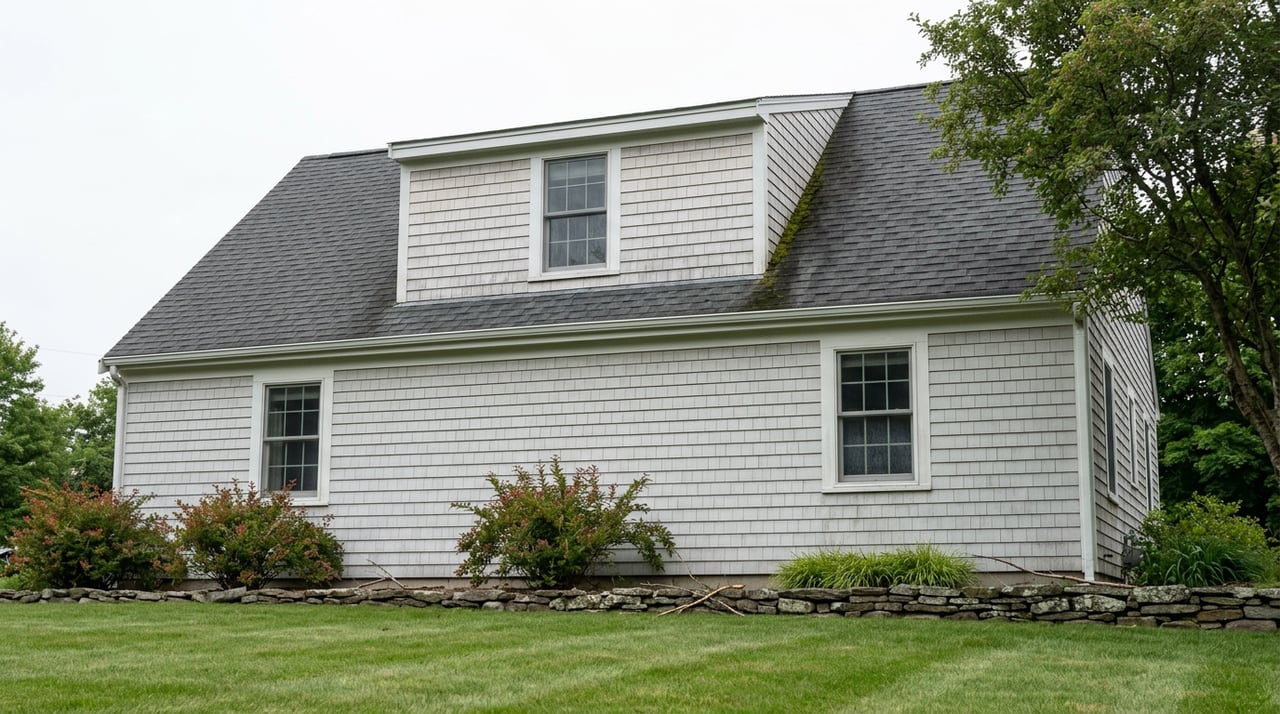
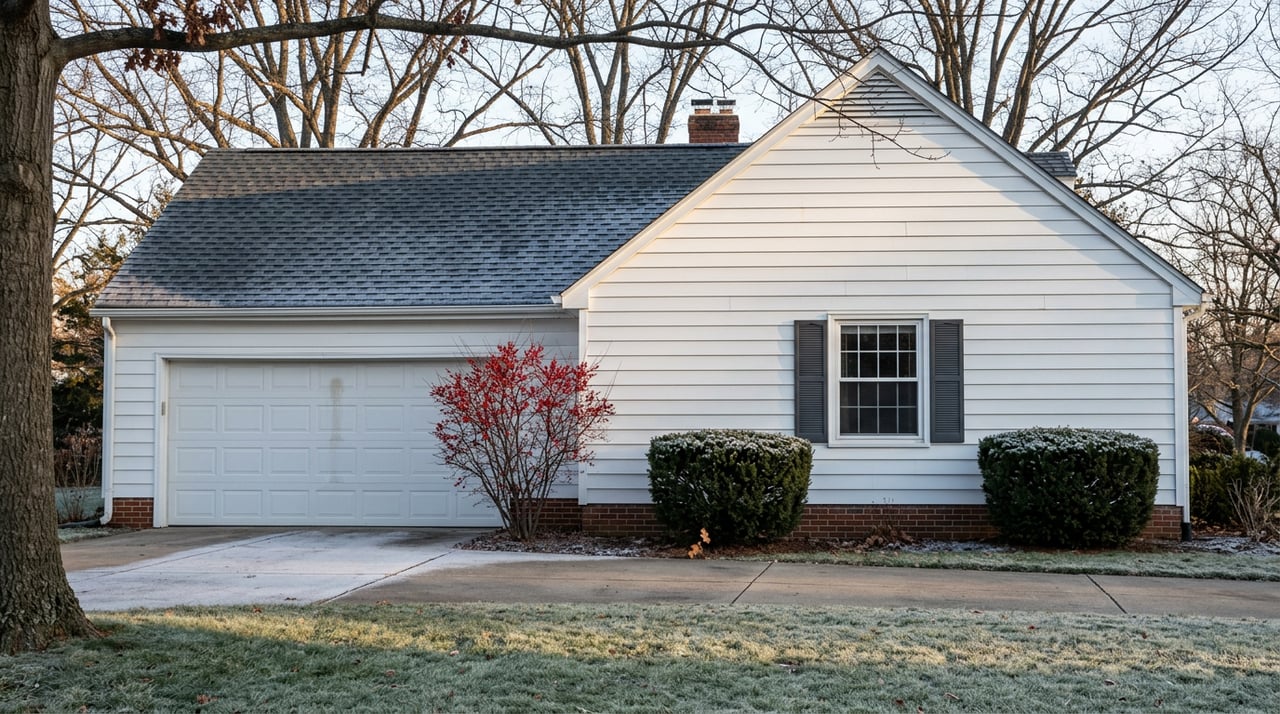
Say you're selling a Cape on one of Burlington's quiet dead-end streets, the kind built in 1958 with a low roofline and a single bathroom. You've heard that homes built before 1975 get an easier pass on smoke detectors, just battery units, no electrician needed. You mention this to your listing agent, feeling settled about one more item on the closing checklist.
Then someone asks when the kitchen was bumped out, or when the attic became a third bedroom in 2006. That permit, not the year stamped on your deed, is what the Burlington Fire Department will actually check against when they show up to issue your certificate of compliance.
Massachusetts law requires a certificate of compliance from the local fire department before any home sale or transfer, confirming that smoke and carbon monoxide alarms meet current requirements, according to the state's consumer guide for sellers. No certificate, no closing. This isn't a courtesy inspection like a general home inspection where the buyer can decide what to do with the results. It's a legal precondition, handled entirely by the town, and it applies whether the home is a $700,000 ranch on a half-acre lot or a newer colonial off Cambridge Street.
The construction date on your deed doesn't set your compliance requirements. The date of your last building permit does.
That single distinction is where a lot of Burlington sellers get caught off guard, and it has everything to do with what the town's housing stock actually looks like.
Burlington's housing was primarily built during the postwar boom, and homes from the 1940s through the 1960s still make up 43.71 percent of the town's housing stock, according to NeighborhoodScout's data. Single-family detached homes account for nearly 70 percent of what's on the ground. Walk any of the dead-end streets that came out of Burlington's 1950s and 1960s growth spurt and you're looking at ranches, Cape Cods, and split-levels, many of them expanded with dormers, additions, or finished basements somewhere along the way.
That last part matters more than it sounds. A home that started life in 1958 as a simple three-bedroom Cape, then got a permitted second-floor dormer in the 1990s or a converted garage-to-bedroom in the 2000s, doesn't necessarily get to claim the lighter pre-1975 standard anymore. The renovation itself can reset the clock.
Massachusetts smoke and CO alarm requirements are tied to construction and permit dates, and they split into a few distinct tiers. Here's how they break down, based on the state's guidance and the way individual fire departments publish it:
| Era | What's typically required | The catch |
|---|---|---|
| Built before Jan. 1, 1975 | Photoelectric alarms on every habitable level, outside sleeping areas, at the top of stairs. Battery-powered units allowed if sealed, 10-year lithium type, no older than 10 years | Applies only if the home has never had a permitted addition or substantial renovation since |
| Permitted 1975 to Aug. 27, 1997 | Hardwired, interconnected photoelectric alarms, one per 1,200 square feet of living space | Battery-only units fail inspection outright at this tier |
| Permitted after Aug. 27, 1997 | Everything above, plus an alarm inside every bedroom, not just outside | Basements and finished attics count as habitable levels here |
| Permitted after Jan. 1, 2008 | All of the above, plus a hardwired heat alarm (not a smoke alarm) in any attached garage | Standard smoke alarms in garages trigger false alarms from exhaust and heat swings |
If a home was built or has undergone renovation, addition, or modification after January 1, 1975, it's the date the building permit was issued that determines which tier applies, not the year the house was originally framed. That language comes directly from town fire department guidance, including Wakefield's published smoke and CO alarm requirements, which lay out the same statewide standard Burlington's own department enforces.
The specific trigger is what fire departments call a substantial renovation: roughly 50 percent of a home's walls and ceilings opened to framing, or the addition of a bedroom, meaning any change of use that creates a new sleeping area. Once that threshold is crossed, the home is treated as if it were built on the date of that permit, and the pre-1975 exemption no longer applies, even if the original structure is decades older.
For a town where finished basements, converted garages, and dormer additions are common ways longtime owners have expanded a modest postwar footprint, this is the detail that turns a routine pre-listing task into a scramble. A seller who assumes their 1962 ranch qualifies for battery-powered alarms may find out during the inspection that a 2011 addition already put them under the hardwired, interconnected standard, and that the alarms currently in the house don't meet it.
The same inspection also checks carbon monoxide alarms under a separate statute known as Nicole's Law, named for a 7-year-old who died in 2005 from carbon monoxide that built up after a snowstorm blocked a heating vent. Any home with fuel-burning equipment, oil or gas heat, a gas water heater, a wood stove, or an attached garage needs CO alarms on every habitable level and within 10 feet of bedroom doors. In a town where oil and gas heat are common in older housing stock and attached garages are standard on colonials and split-levels alike, this half of the certificate rarely comes back clean on its own, either.
The Burlington Fire Department requires homeowners and real estate agents to review its inspection procedure before calling to set up an appointment, according to the town's own smoke and carbon monoxide inspections page. That's a small detail, but it signals something useful: this isn't a walk-in service, and the town wants sellers arriving prepared rather than discovering requirements on inspection day.
Certificates of compliance are generally treated as valid for a limited window after issuance, commonly around 60 days across Massachusetts fire departments, which means timing the inspection too early in a listing can mean redoing it closer to closing. Scheduling too late creates the opposite problem: many town fire departments only run these inspections on specific days each week, and appointment slots can fill up during a busy spring or summer market.
The pre-1975 exemption isn't gone, but it covers a smaller share of Burlington's housing than the town's postwar reputation suggests. A house that looks original from the street may have a permit history that already moved it into a stricter tier, and the only way to know before an inspector tells you is to check the town's own records ahead of listing.
For sellers in a town built mostly on additions and updates layered onto a 1950s and 1960s foundation, that check belongs on the pre-listing list right next to pricing strategy and photography, not as an afterthought scheduled the week before closing.
Does a cosmetic update, like new paint or a kitchen refresh, count as a substantial renovation? No. The trigger is structural: roughly half of a home's walls and ceilings opened to framing, or the creation of a new bedroom. Surface-level updates don't reset the compliance tier on their own.
How long is the certificate good for once I have it? Most Massachusetts fire departments treat it as valid for around 60 days, so timing it too far ahead of your actual closing date can mean a second visit.
What happens if the inspection turns up a problem? The fire department provides a list of corrections, and once those are made, a reinspection is scheduled. Confirm the reinspection process and any related cost directly with Burlington's Fire Prevention Division rather than assuming it mirrors another town's fee schedule.
If you're getting ready to list a Burlington home built before 1975, or one with any renovation history since, it's worth walking through your specific permit record before it becomes a surprise at inspection. Kip LeBaron works through exactly this kind of pre-listing detail with sellers across Burlington and the surrounding towns, so nothing on the certificate checklist turns into a delay at closing.
Stay up to date on the latest real estate trends.


Partner with a top-producing Massachusetts Real Estate Agent known for market expertise, strategic guidance, and proven results. With over 200 homes sold and $118M+ in closed sales, Kip LeBaron delivers a seamless, full-service experience for buyers and sellers across Greater Boston, Middlesex County, and southern New Hampshire.