Burlington's New ADU Law Sounds Simple. The Town's Bylaw Says Otherwise.
August 27, 2026
August 27, 2026
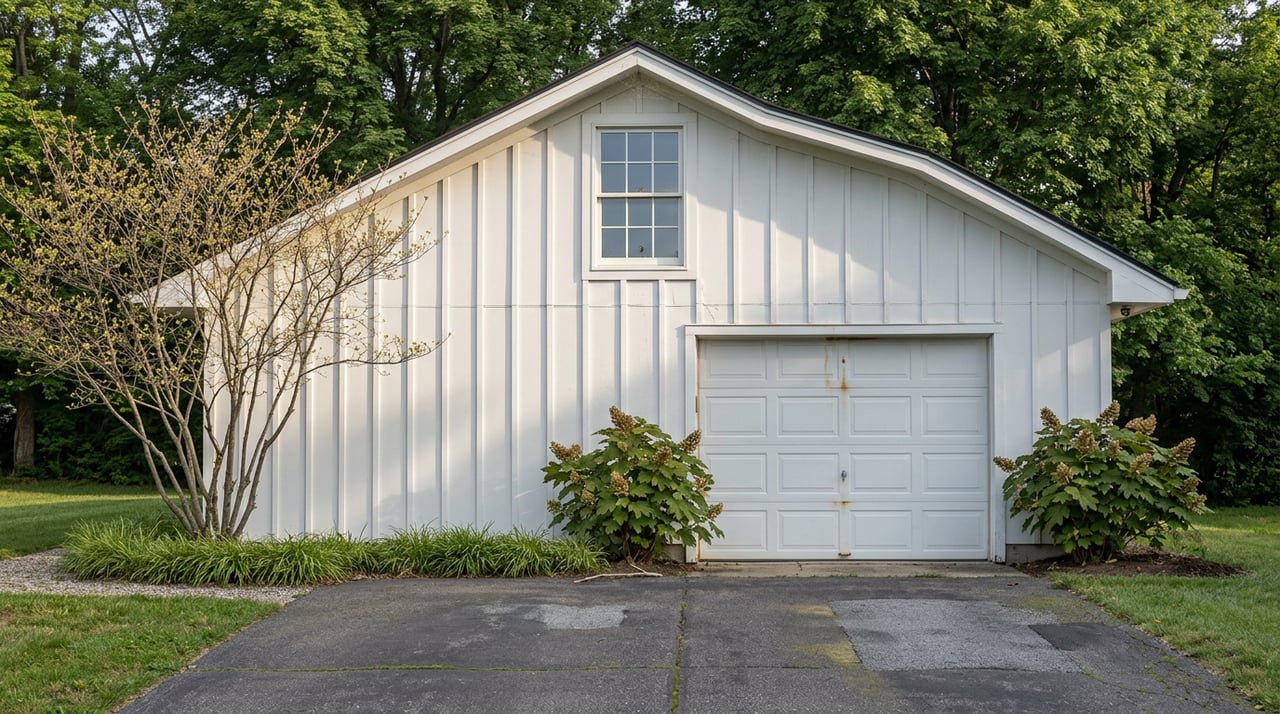
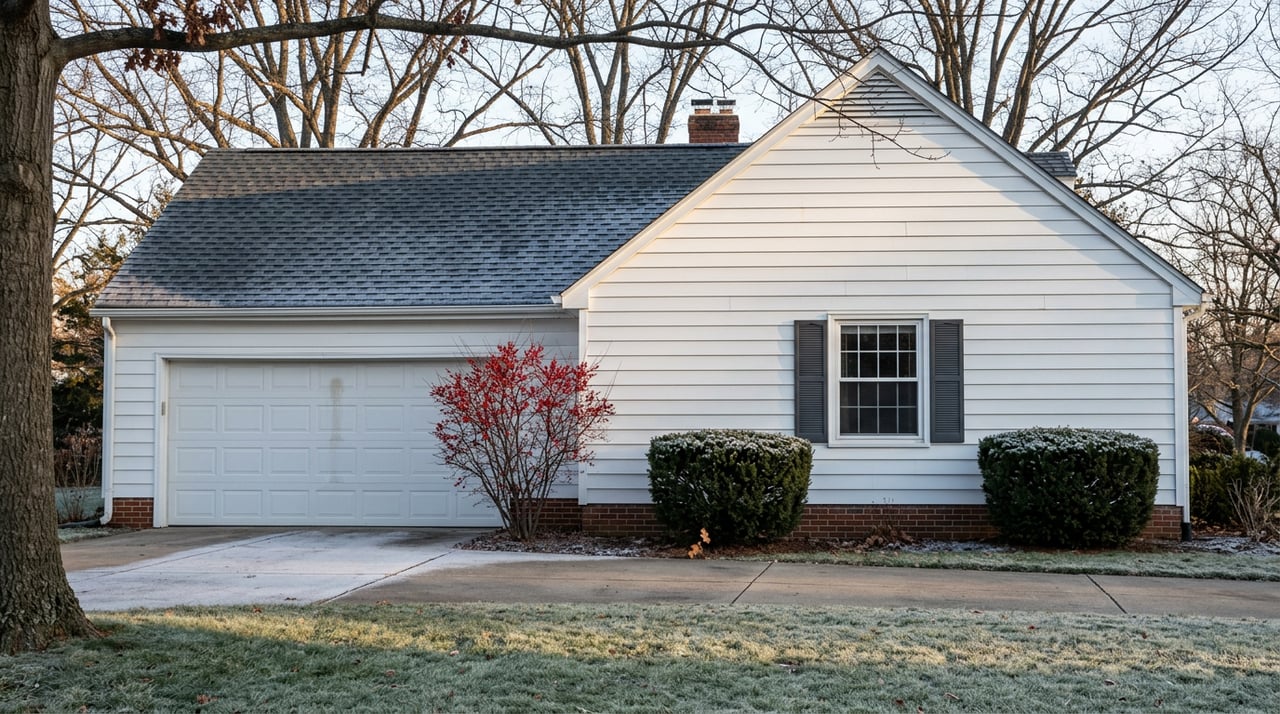
A house sold recently in Burlington with a detached garage that had a small apartment tucked above it, wired and plumbed sometime in the 1980s and never legalized. For decades, that space sat in a kind of limbo. The town's old accessory apartment rules made it nearly impossible to bring above-garage units like that into compliance without a special permit fight, so most owners just left them alone and used them quietly, or not at all.
That changed on February 2, 2025, when the Massachusetts Affordable Homes Act made accessory dwelling units legal by right in every city and town that allows single-family homes. The garage apartment that once needed a variance can now go through the building department like any other permit. That is the headline version of the story, and it is the version most statewide guides stop at.
It is not the whole story in Burlington. The town rewrote its own accessory apartment bylaw to fall in line with the new law, and in doing so it kept several rules that go beyond what the state requires. If you own a Burlington home and are weighing whether to add a rental unit, house a parent, or simply understand what you are buying in a property that already has one, the local fine print matters more than the statewide headline.
Before the Affordable Homes Act, ADU rules were a patchwork. Some Massachusetts towns allowed a basement apartment with a simple building permit. Others required a special permit, a public hearing, and often an owner-occupancy condition that killed the project's economics before it started. Burlington fell into the second category.
The new law, Chapter 150 of the Acts of 2024, amended the state Zoning Act to require that every city and town allow one accessory dwelling unit by right on any lot zoned for single-family use, capped at 900 square feet or half the gross floor area of the main house, whichever is smaller. No special permit. No zoning board hearing. No neighbor testifying against it at Town Meeting. The state also eliminated the requirement that an owner live in either the main house or the ADU, which is the detail most guides lead with. You can now build a unit, rent out both halves of the property, and never set foot in either.
That is true statewide. It is not the end of what Burlington requires.
Burlington's Town Meeting voted to rewrite its accessory apartment bylaw to comply with the state law, and the change was covered by the Daily Times Chronicle in reporting on the vote. Burlington's Planning Director, Liz Bonventre, described the amendment plainly: it brings the town's zoning into compliance with state law while preserving the additional local regulations Burlington is still permitted to apply.
Those additional regulations are where the real friction sits. Under Burlington's rewritten bylaw:
None of this is unusual as far as local ADU bylaws go. What matters is the gap between what a national or statewide guide tells a Burlington homeowner and what the town actually enforces.
Most of the coverage of the new state law focuses on the fact that owner-occupancy is gone. That is accurate, and it is genuinely useful for someone who wants to buy a Burlington duplex-style setup purely as a rental play without living there. But occupancy and ownership are two different things. The state relaxed the first. Burlington's bylaw left the second exactly where it was.
If you are thinking about an ADU as an eventual exit strategy, meaning you want to build it, rent it for a few years, and then sell it off as a separate unit to recover part of the construction cost, that plan does not work in Burlington. The bylaw's language is direct: no Protected Use ADU may be separately sold as a condominium, or otherwise. The main house and the accessory unit stay bound to a single deed for as long as the ADU exists as an ADU. This matters most for two kinds of Burlington transactions: an investor evaluating a property with existing accessory space, and an estate situation where heirs are trying to figure out whether a garage apartment can be divided off and sold independently to simplify a settlement. In both cases, the answer under the current bylaw is no.
In a lot of Massachusetts towns, the biggest obstacle to an ADU has nothing to do with zoning. It is Title 5, the state septic code, which requires roughly 110 gallons per day of capacity for every bedroom on a property. Add a two-bedroom ADU to a three-bedroom house and the septic system suddenly has to handle five bedrooms' worth of flow. When it cannot, the owner is looking at a system upgrade that can run into the tens of thousands of dollars before construction on the ADU even begins.
Burlington sidesteps most of that. The town's bylaw itself requires both the main house and the ADU to connect to municipal water and sewer, which means the Title 5 math that stalls projects in septic-dependent towns generally is not a factor for a Burlington ADU. That is a real difference from towns where a homeowner has to price out a system upgrade before they can even draw plans, and it is worth knowing before you assume every cost line from a generic statewide ADU guide applies to your address.
If you are selling a Burlington home with an unpermitted accessory apartment, an appraiser and a buyer's lender are going to treat that space very differently depending on whether it has a certificate of occupancy. An illegal unit is a liability disclosure and a negotiating point against you. A permitted one, built to the current bylaw, is finished square footage that can support your asking price. The permit is the difference between the two, and it is worth pulling before you list rather than after an inspector flags it.
If you are buying a property that already has an accessory space, garage apartment, finished basement, or otherwise, ask directly whether it was ever permitted under either the old bylaw or the new one. A lot of Burlington's older accessory units, like the garage apartment from the 1980s, predate any of this and were built with no permit at all. The new law makes legalizing them dramatically easier than it used to be, but easier is not automatic. You still need a building permit, you still need to meet the state building code, and you still need a certificate of occupancy before the space counts as anything more than storage on paper.
If you are managing an estate that includes a property with an existing accessory unit, understand going in that Burlington's ownership rule means that unit stays attached to the main house in any sale. Heirs cannot divide the property into two saleable pieces along the lines of the ADU.
Do I have to live in the main house or the ADU to build one in Burlington? No. The state law removed that requirement, and Burlington's bylaw follows the state on this point.
Can I eventually sell the ADU as its own condo unit? No. Burlington's bylaw specifically prohibits selling a Protected Use ADU separately, in condominium form or otherwise. The main house and the ADU remain one property under one owner.
Does my property need a septic upgrade to add an ADU? Likely not, since Burlington's bylaw requires both the main house and the ADU to connect to municipal water and sewer rather than a private septic system. Confirm your specific parcel with the town's building department if you're unsure which system your property uses.
Rules like these rarely show up in a portal listing description, and they change how a property should be priced, marketed, and disclosed. If you're weighing an ADU before you list, evaluating a Burlington property with existing accessory space, or sorting out what an inherited home with a garage apartment can and cannot become, Kip LeBaron can walk through what the current bylaw means for your specific property before you spend money on plans. Let's Connect.
Stay up to date on the latest real estate trends.
Partner with a top-producing Massachusetts Real Estate Agent known for market expertise, strategic guidance, and proven results. With over 200 homes sold and $118M+ in closed sales, Kip LeBaron delivers a seamless, full-service experience for buyers and sellers across Greater Boston, Middlesex County, and southern New Hampshire.