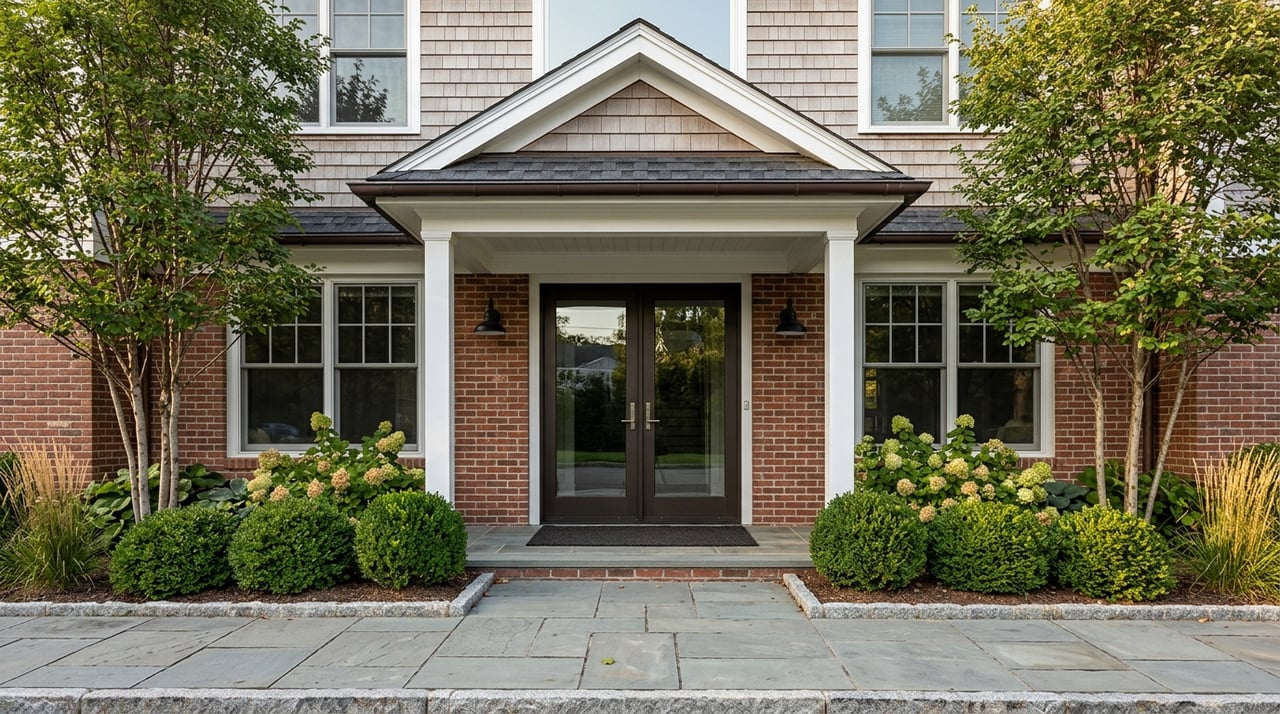
Buying A Burlington MA Condo Near Work And Shopping
May 14, 2026
May 14, 2026
Wondering if a Burlington condo can actually make your daily life easier, not just give you a new address? If you want to live close to work, shopping, dining, and key commuter routes, Burlington stands out for pure convenience. The key is knowing which areas offer true day-to-day access and which buildings only look close on paper. Let’s dive in.
Burlington is a strong choice if you want a lifestyle built around easy access. The town describes itself as centrally located off Route 128, with commuter access to Boston and Cambridge, and its Mall Road area combines major employers, housing, shopping, and restaurants in one active district.
That matters because Burlington is not just a quiet suburb with a few stores nearby. It functions more like a regional hub, especially around the Route 128 and Mall Road area, where the town reports more than 30,000 jobs and nearly 4,500 residents. Burlington Mall also draws about 8 million annual visits, which shows how much activity and service is concentrated in this part of town.
If your goal is to simplify errands, shorten the drive to work, or have more options after hours, Burlington gives you a lot in one place. The town’s visitor and economic development materials also point to several shopping and dining clusters beyond the mall, which adds flexibility depending on where you buy.
Not all Burlington condo locations feel the same. Two units may have the same town name in the listing, but your daily routine can look very different depending on how close you are to jobs, stores, restaurants, and transit stops.
If convenience is your top priority, this is the main area to evaluate first. It puts you near Burlington Mall, office space, restaurants, and a large concentration of services, which can make workdays and errands much easier.
At the same time, this is also one of the busiest and most auto-oriented parts of town. Burlington’s mobility analysis found that connectivity between developments in the Burlington 128 district can be limited, and even where sidewalks exist, Burlington Mall Road does not always feel welcoming for walking or biking.
That does not mean you should rule it out. It means you should look closely at the exact building location, how you would get to stores or work, and whether that route feels practical in real life.
These areas can be a strong middle ground if you want access to shopping and dining without being right on the busiest mall-front corridor. The town identifies them as major shopping districts, and the mix includes grocery, discount, apparel, home, and specialty retail.
They also support a convenient after-work routine. Official Burlington visitor materials highlight dining options across these districts, including a mix of casual and sit-down spots that can make everyday living feel easier and more flexible.
For many buyers, these nodes are worth a serious look because they can offer strong convenience with a slightly different feel than the core Mall Road stretch. The best fit depends on how often you expect to drive, walk, dine out, or run quick errands during the week.
When buyers say they want to live near shopping, they often mean more than retail. They usually want easier grocery runs, a simple dinner plan after work, fewer car trips, and a neighborhood pattern that reduces friction in daily life.
Burlington delivers that in a big way. Burlington Mall advertises more than 185 shops and eateries, and the adjacent Village at Burlington Mall adds more wellness, beauty, and dining uses nearby.
The bigger point is that this area functions as a broader mixed-use district, not just a single mall building. If you buy in the right location, you may gain easier access to routine errands and social plans without needing to cross town every time.
A condo near work sounds great, but commute convenience is very location-specific in Burlington. You want to look beyond the listing map and ask how your actual route works at the times you will travel.
For drivers, the I-95/Route 128/Route 3 area is highly relevant. MassDOT has a proposed Burlington project aimed at improving safety and reducing queueing at that interchange, which matters if you expect to be on and off those roads regularly.
For transit users, check specific bus access instead of assuming “near the mall” means easy service. Burlington’s transportation page lists MBTA Routes 350, 351, and 354, along with LRTA Route 14 and the Lexpress B route, which stops at places such as Market Basket, Burlington Mall, Lahey, and Burlington Mall Road at Lexington Street.
A smart condo search should include questions like these:
One of the biggest mistakes condo buyers make in Burlington is assuming a nearby destination automatically means a walkable lifestyle. The town’s own mobility analysis shows that connectivity varies a lot from block to block.
That means one building near Burlington Mall or 3rd Ave may feel practical for short trips, while another nearby building may still require you to drive for almost everything. When you tour condos, pay attention to crossings, sidewalks, parking-lot layouts, and how direct the path feels between the unit and the places you expect to visit often.
This is especially important if your goal is to live with one less car, rely partly on transit, or simply make everyday life easier. In Burlington, convenience depends on the exact site plan as much as the ZIP code.
Once you find the right location, the next big question is the building itself. In Massachusetts, condominiums are privately owned and governed through the master condominium documents, deed, bylaws, and Chapter 183A.
The state makes clear that condo law and owner rights are legal matters and may require an attorney with condo experience. For buyers, that is a good reminder that a nice lobby and a polished listing sheet are not enough.
You should review the full association package carefully. State guidance specifically calls out key items such as bylaws, rules and regulations, budget, special assessments, pending litigation, owner occupancy, reserve study, meeting minutes, rental and pet restrictions, condo questionnaires, management and trustees, and the certificate of insurance.
A low monthly condo fee can look attractive, but it does not always mean lower long-term cost. Under Massachusetts condo law, common expenses are shared obligations, and special assessments may be used when the budget and reserves are not enough.
That is why it helps to ask what the fee actually covers and whether major costs are already planned for. A well-run association is often more important than the lowest fee on your search results page.
Ask questions like these:
State guidance also points to the importance of complete, up-to-date records. That includes the master deed, bylaws and amendments, minute book, financial records, contracts, and insurance policies.
For you as a buyer, this helps answer a simple question: is the association well managed or just well marketed? A solid building should be able to provide organized information that shows how decisions are made and how the property is maintained over time.
Burlington can work well for several types of buyers, especially if convenience is high on your list. The strongest match is usually someone who wants low-maintenance living with quick access to work, services, and shopping.
For a buyer with a busy weekday schedule, Burlington’s mix of office access, highway access, and concentrated dining and retail can support a more efficient routine than a more purely residential suburb. If you want to keep errands simple and have more choices close by, that can be a real advantage.
For downsizers, Burlington may also appeal because many daily needs are clustered locally. The town notes that Council on Aging vans provide rides five days a week for medical appointments, programs, grocery shopping, and prescriptions within town, and its community transportation program can also help eligible older adults with local on-demand rides.
No one can promise future value, but location and building quality usually matter a lot in condo resale. Burlington’s mobility planning and interchange work suggest continued attention to its key commercial and commuter corridors.
That can support demand in well-located properties, especially in stronger convenience nodes. Still, a great location does not fully make up for weak reserves, difficult parking, restrictive rules, or a building that is harder to access than the map suggests.
A smart purchase balances both sides of the equation. You want a condo that works for your life now and still makes sense as a resale property later.
If you are comparing Burlington condos, it helps to look at more than photos and square footage. The best choice usually comes down to how the location functions day to day, how the association is run, and whether the building supports the lifestyle you actually want. If you want practical guidance as you weigh Burlington options, Kip LeBaron can help you sort through the details and move forward with confidence.
Stay up to date on the latest real estate trends.


Partner with a top-producing Massachusetts Real Estate Agent known for market expertise, strategic guidance, and proven results. With over 200 homes sold and $118M+ in closed sales, Kip LeBaron delivers a seamless, full-service experience for buyers and sellers across Greater Boston, Middlesex County, and southern New Hampshire.