Burlington's Outdoor Side This Summer: More Connected Than Most Residents Realize
June 4, 2026
June 4, 2026
Burlington's public identity runs along Route 128 — the mall, the hotels, the restaurant corridor that has been collecting Massachusetts debuts since 2024. That identity is accurate, and it's well documented. What's less documented is the town's other layer: a conservation network that predates the mall by decades, spans hundreds of acres across a half-dozen named properties, and is currently in the process of connecting outward to a regional trail system that will eventually link Burlington to the parks and green corridors of surrounding towns.
If you've lived here a while and your outdoor routine has stayed within one or two familiar spots, this summer is a reasonable moment to map the rest of it.
The easiest way to underestimate Burlington's trail network is to treat it as a single park. It isn't. The town's Conservation Commission manages several distinct properties, each with its own terrain and access points, and the acreage adds up faster than most residents expect:
That's well over 300 acres of protected open space managed at the town level alone, before counting the two larger properties that sit on Burlington's edge.
Mary Cummings Park, managed by The Trustees of Reservations, covers 216 acres straddling the Burlington-Woburn border. It has been open to the public since 1930, when Mary P.C. Cummings donated the former estate with the condition that it remain "forever open as a public pleasure ground." The Trustees took over management more recently and have added new trails, facilities, and map stations at trail intersections.
The practical details: free, open daily from dawn to dusk, dogs allowed on leash. The primary entrance is off Blanchard Road, with a second lot serving the Burlington Multi-Purpose Field. The Trustees have a trail map available for download before you go, and map stations are posted at intersections throughout the property.
The Pollinator Trail is the park's most accessible route — a 0.8-mile loop that is wheelchair accessible and connects both parking areas. The longer trail network moves through woodland, open fields, wildflower meadows, wetlands, and vernal pools, with boardwalks and bridges crossing the swampy sections. The terrain is varied enough that return visits don't cover the same ground.
The reason to pay closer attention to this park right now: a reviewer on AllTrails noted that a new trail, the Boston Inner Greenbelt, is being developed through the property, connecting it to other parks via side roads and paths. The Greenbelt is a regional initiative, and Mary Cummings Park's inclusion means Burlington's largest conservation property is on a path toward trail connectivity that extends well beyond town lines. That work is ongoing, not complete — blazing and signage are still developing — but the direction is clear.
Not every outdoor hour needs to be a trail walk. Rahanis Park at 84 Mill Street covers a lot of ground in a single location: six tennis courts, a basketball court, a sand volleyball court, a dedicated dog park, a gaga pit, a playground, a picnic area with restrooms, and access to two trails that continue beyond the park boundary. For households with dogs and children who want different things from the same Saturday afternoon, it's one of the more practical parks in town.
The Burlington Sculpture Park and the Town Common area function as the social center of Burlington's outdoor life, especially on event days. The 3rd Ave green runs seasonal programming through the warmer months, which tends to give that part of town a drop-in energy that the conservation areas don't have.
Burlington Parks and Recreation has released its Summer 2026 brochure, which includes instructional programming across multiple skill levels. Pickleball is specifically listed as the focus of organized lessons — the sport has grown fast enough that it now anchors the recreational calendar. Archery classes are also offered, which is an unusual option for a suburban rec department. The full range of camps, trips, and tours is in the brochure.
The biggest single day on Burlington's outdoor calendar this year is Celebrate Burlington on August 8, held on the Town Common from 11 a.m. to 4 p.m. The format has been consistent for years: a community fair with nonprofit organizations required to offer a free activity for children, food vendors, and a structured evening program. This year's evening runs from a classic car show at 5 p.m. through a bandstand concert starting at 7 p.m. and fireworks at 9 p.m. If you have guests visiting in early August, this is the date to put on the calendar before anything else.
Burlington's summer programming through the Recreation Center also includes organized trips and tours through its Trips and Tours program, which is worth checking if you want structured group outings rather than self-directed exploration.
A town with a strong commercial corridor and a growing restaurant scene tends to attract a certain kind of coverage: new openings, first Massachusetts locations, things that arrived recently. Burlington has had plenty of that in 2026, and it's genuinely worth following. But the outdoor infrastructure described above has been here for decades, maintained largely through Conservation Commission oversight and volunteer trail work, and it doesn't announce itself.
The Boston Inner Greenbelt development changes that a little. When a regional trail starts routing through your town's anchor conservation property, the outdoor network stops being a local amenity and starts being a regional one. That transition is early, and the trails through Mary Cummings Park are still being improved. But the direction is toward more connectivity, better signage, and a property that will be easier to visit for people who don't already know the terrain.
For residents who've been here long enough to take the conservation areas for granted, summer 2026 is a reasonable moment to walk somewhere new.
If you're thinking about what Burlington offers beyond the commercial corridor — or you're in a different stage of life and thinking about what it means to own a home here — Kip LeBaron is a Woburn-based Lamacchia Realty agent who works across Burlington and the surrounding Middlesex County towns. Let's connect.
Stay up to date on the latest real estate trends.
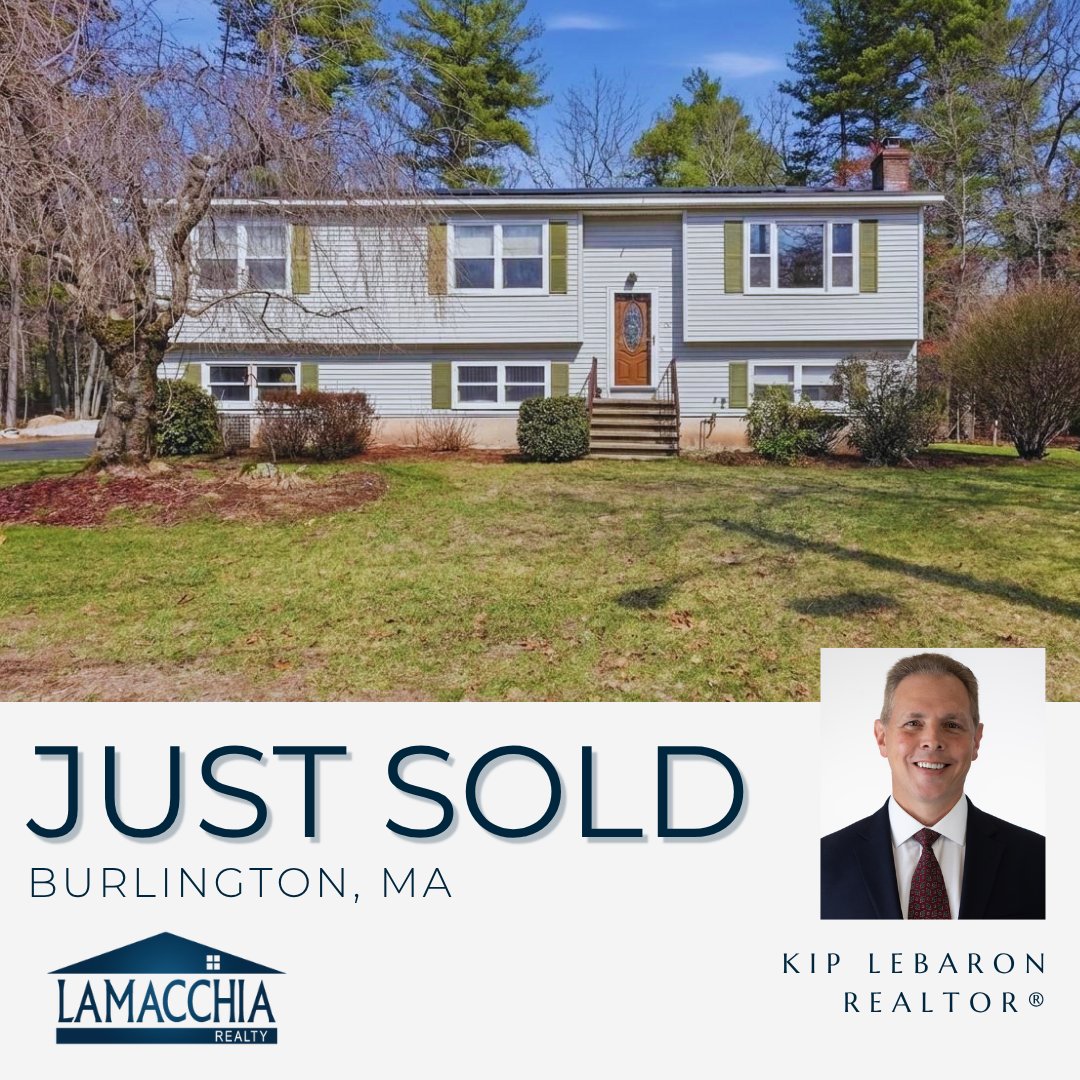
A behind-the-scenes look at the strategy, preparation, and expert negotiation that turned a Burlington listing into a standout sale.

2026 Realtrends America's Best Real Estate Professionals
Partner with a top-producing Massachusetts Real Estate Agent known for market expertise, strategic guidance, and proven results. With over 200 homes sold and $118M+ in closed sales, Kip LeBaron delivers a seamless, full-service experience for buyers and sellers across Greater Boston, Middlesex County, and southern New Hampshire.