
The Burlington Condo Closing Timeline Hinges on One Certificate. In 2026, It's Expiring More Often.
July 23, 2026
July 23, 2026
Every Burlington condo sale runs on a small piece of paper called a 6(d) certificate. It confirms the unit owes nothing to its association at the moment of closing, and without a current one, the buyer's lender will not fund. For years, this was a routine step that sellers barely noticed. That has changed.
The reason is not the statute, which has been on the books for decades. It is the calendar. Burlington's 2026 condo market is running slower than the market most sellers remember, and slower deals leave more room for a 6(d) certificate to go stale between issuance and closing. The paperwork is the same. The timeline it lives inside is not.
Under Chapter 183A, Section 6(d) of the Massachusetts General Laws, a condominium association must issue a statement, in recordable form, showing what a specific unit owes in common expenses, assessments, and related charges. The statement is binding on the association, which is the whole point. Once the certificate says the balance is zero and the document is signed and notarized, the unit transfers free of any lien for other sums then unpaid through that date.
A few practical facts follow from that language:
None of this is new. What is new is how long the certificate has to survive.
Burlington's condo market has softened on pace, not on price. The Massachusetts Association of Realtors reported a year-to-date median condo sale price of $805,000 as of February 2026, close to where it sat a year earlier. What moved is the calendar between listing and offer. In Middlesex County, condo sellers in 2026 can expect to wait about 34 days to accept an offer, roughly 26 percent longer than last year.
That extra month matters because a 6(d) certificate has a short shelf life in practice. Many managers treat a 6(d) as current only for a short window, often 15 to 30 days, and lenders and title companies commonly require a certificate issued close to the closing date or ask for an updated one if the original is outside their window. Order it too early to feel prepared, and the lender rejects it. Wait for the closing date to firm up, and a small trustee-run building may need every one of its ten statutory days.
The thesis is simple. In a fast market, a 6(d) was ordered, notarized, and delivered inside a compressed timeline that rarely tested any of these limits. In the 2026 Burlington market, the timeline has stretched past those limits often enough that the certificate itself has become the most common late-stage friction in a condo closing.
Burlington's condo inventory is not one thing. It runs from newer low-rise buildings on Cambridge Street with professional management, to garden-style communities of a certain age, to small townhouse associations that are essentially self-governed. Each format handles a 6(d) request differently.
Larger, professionally managed buildings almost always route the request through a management company with a standing process. Fee, form, turnaround. Predictable. The certificate lands within the statutory window, sometimes faster.
Smaller and older communities are where deals lose days. When the trust is run by two or three unit-owner trustees, the request has to reach a person, get reviewed against the association's ledger, be signed in front of a notary, and sometimes recorded. If one trustee travels for two weeks in July, the ten-day clock does not care.
There is a second layer of friction specific to smaller Burlington associations. The 6(d) is signed by the current trustees, which means the association's certificate of election of trustees needs to be on file and current at the Middlesex South Registry of Deeds. When boards turn over and no one records the new certificate, the closing attorney flags it, and the seller finds out at the worst possible moment that the trust needs to update its own paperwork before it can update the seller's.
Working backwards from a target closing date, the sequence that holds up in Burlington's 2026 condo market looks like this:
The step most sellers skip is the first one. By the time the request is in, the ledger dispute is a closing problem, not a listing problem.
Ordering too early. A 6(d) certificate should reflect the total due as of the date it is signed and notarized, even if the balance is zero, and it should not be written to remain good through the end of the month, because fines, common-area damage, or emergency assessments can occur between issuance and closing. Certificates that go stale get reissued, at a second fee, on a schedule the seller no longer controls.
Accepting a "clean" certificate over an unpaid balance. Closing attorneys sometimes ask associations to issue a zero-balance 6(d) with a promise that arrears will be paid from proceeds. From the association's side, issuing a clean certificate before payment is not recommended, because once the clean certificate is out of the association's hands it is also out of its control, and the closing could still be delayed. When the association refuses, the seller loses a day negotiating a workaround.
Missing the trustee-election paperwork. In small Burlington associations, this is the single most common surprise. The people signing the 6(d) need documented authority to do so, and that documentation lives at the Registry, not in a folder in someone's kitchen.
Does every Burlington condo sale actually require a 6(d)? For practical purposes, yes. Even when a unit owes nothing and the association is fully solvent, the buyer's lender and title company will require the certificate to confirm the unit transfers free of association liens. Cash deals sometimes proceed without one, but sellers should not plan on it.
What if the association will not issue the certificate? The statute obligates the association to issue a statement within ten business days of a written request. A "dirty" certificate showing arrears is still compliance. Outright refusal, particularly where no fees are owed, is a legal question that belongs with a real estate attorney rather than the listing agent, but it is worth documenting the request date and the failure to respond from day one.
Selling a condo in Burlington in 2026 is not harder than it used to be. It is longer, and every extra week the listing sits raises the odds that a routine piece of paper falls outside a lender's window. Sellers who treat the 6(d) as a Week One task instead of a closing-week task keep the timeline in their hands.
If you are thinking about listing a Burlington condo this year and want a preparation plan that accounts for the association side of the process, Kip LeBaron works through it with clients before the sign goes in the yard. Let's Connect.
Stay up to date on the latest real estate trends.
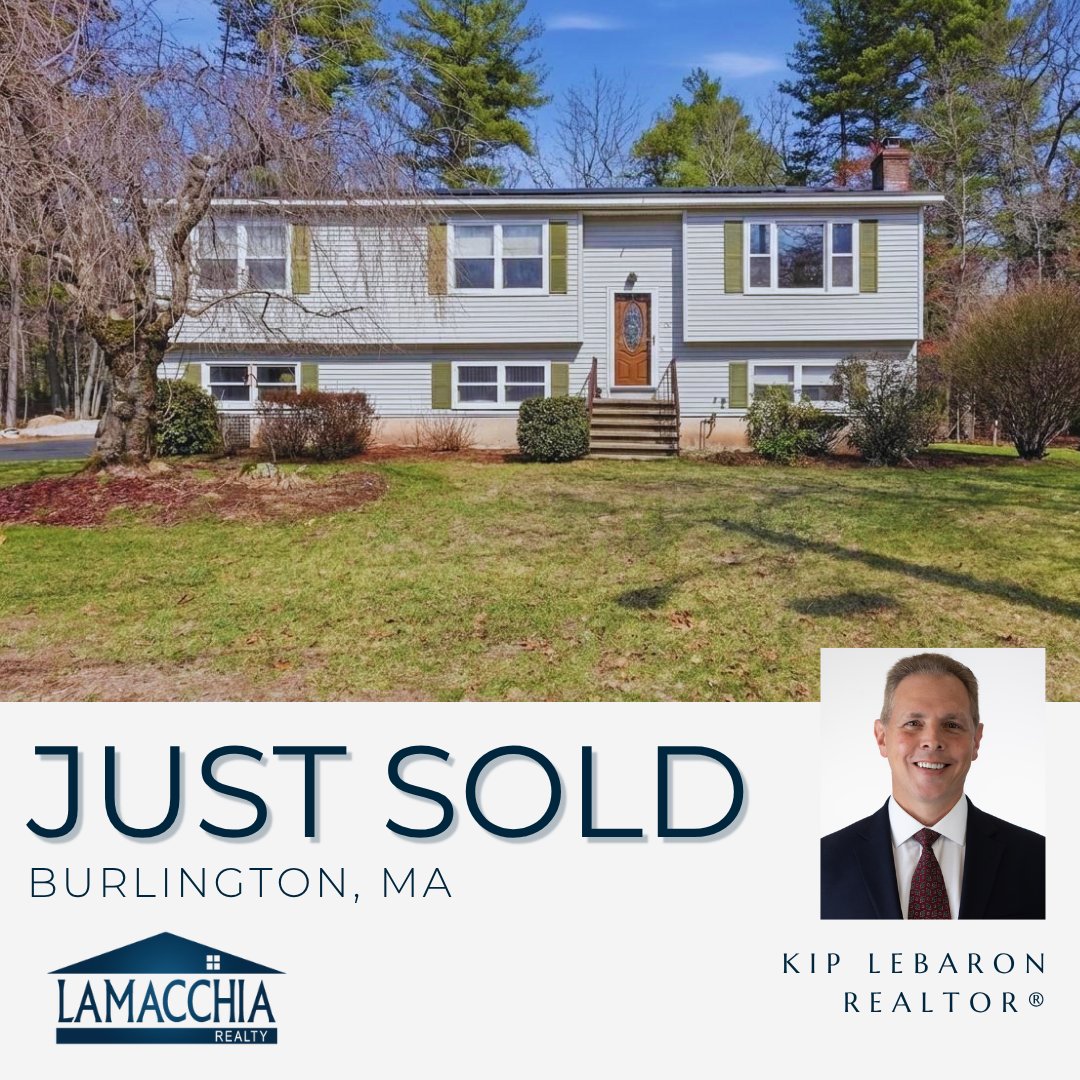
A behind-the-scenes look at the strategy, preparation, and expert negotiation that turned a Burlington listing into a standout sale.


2026 Realtrends America's Best Real Estate Professionals

Partner with a top-producing Massachusetts Real Estate Agent known for market expertise, strategic guidance, and proven results. With over 200 homes sold and $118M+ in closed sales, Kip LeBaron delivers a seamless, full-service experience for buyers and sellers across Greater Boston, Middlesex County, and southern New Hampshire.