Winchester MA Real Estate: Homes, Neighborhoods & Lifestyle
April 2, 2026
April 2, 2026
Thinking about living in Winchester, MA? If you want a town that blends a historic center, established neighborhoods, commuter access, and a wide range of home styles, Winchester is easy to put on your shortlist. It is also a market where pricing, inventory, and neighborhood fit matter, so it helps to understand what you are walking into before you start your search. Let’s dive in.
Winchester is a compact suburban town in the Mystic River Valley about eight miles north of Boston, with a strong mix of residential neighborhoods, preserved open space, and a traditional town center. According to the town, Winchester is about 4.5 miles at its widest point and includes roughly 90 miles of public ways, which helps explain why many day-to-day destinations feel relatively close together. You can explore more about the town’s natural setting on the Winchester Natural Environment page.
For many buyers, the appeal is practical. Winchester offers suburban housing, a well-defined downtown, and access to regional job centers through commuter rail and highway connections. That combination makes it relevant if you want more space than a denser urban setting but still need a workable Greater Boston commute.
The town also stands out for long-term stability. The U.S. Census Bureau estimates Winchester’s July 1, 2024 population at 23,953, with 8,340 households and an owner-occupied rate of 81.7%. Those numbers point to a community with a strong base of long-term homeowners and a market where many buyers plan to stay.
Winchester’s historical survey materials organize the town into seven neighborhoods. Current Historical Commission materials identify Old West Side/Flats, North End, and Symmes Corner as surveyed areas, with future work planned for West Side, Winchester Highlands, Winchester Center, and Myopia Hill. You can review that framework through the Winchester Historical Commission.
In day-to-day home searches, you will often hear buyers and sellers refer to areas such as Winchester Center, Wedgemere, West Side, The Flats, and other long-established sections of town. Some of these names overlap with historical or portal-based neighborhood labels, so it is smart to look beyond the label and focus on housing style, lot size, access to downtown, and commute preferences.
If being close to shops, dining, commuter rail, and town services matters to you, areas near Winchester Center often get the most attention. Downtown Winchester was designated a Cultural District in 2019, and the town describes it as a walkable center with dining, local businesses, arts programming, library talks, concerts, galleries, and the farmers market. Learn more from the Winchester Cultural District page.
This part of town can appeal to buyers who want a more connected, village-style feel. It can also be attractive for renters and condo buyers who value proximity to the train and downtown amenities.
Neighborhood-level portal snapshots suggest price differences across town. Realtor.com currently places Winchester Town Center around a $1,399,000 median home price, while West Side, Wedgemere, and The Flats trend closer to $2,000,000. These are directional portal figures, not official valuations, but they do show that location within Winchester can have a major impact on budget.
For buyers, that means neighborhood choice is not just about character. It also directly affects how much home, lot, and condition you can realistically expect for your price point.
Winchester’s neighborhood pattern reflects a mature suburban community with long-established residential streets and a strong historic fabric. Depending on where you look, you may find a mix of older homes, updated properties, replacement homes, and some smaller-scale multifamily options.
The key is to evaluate each area based on your actual priorities. If you care most about train access, downtown convenience may lead the list. If you want a larger lot or a specific home style, your search may expand to other sections of town.
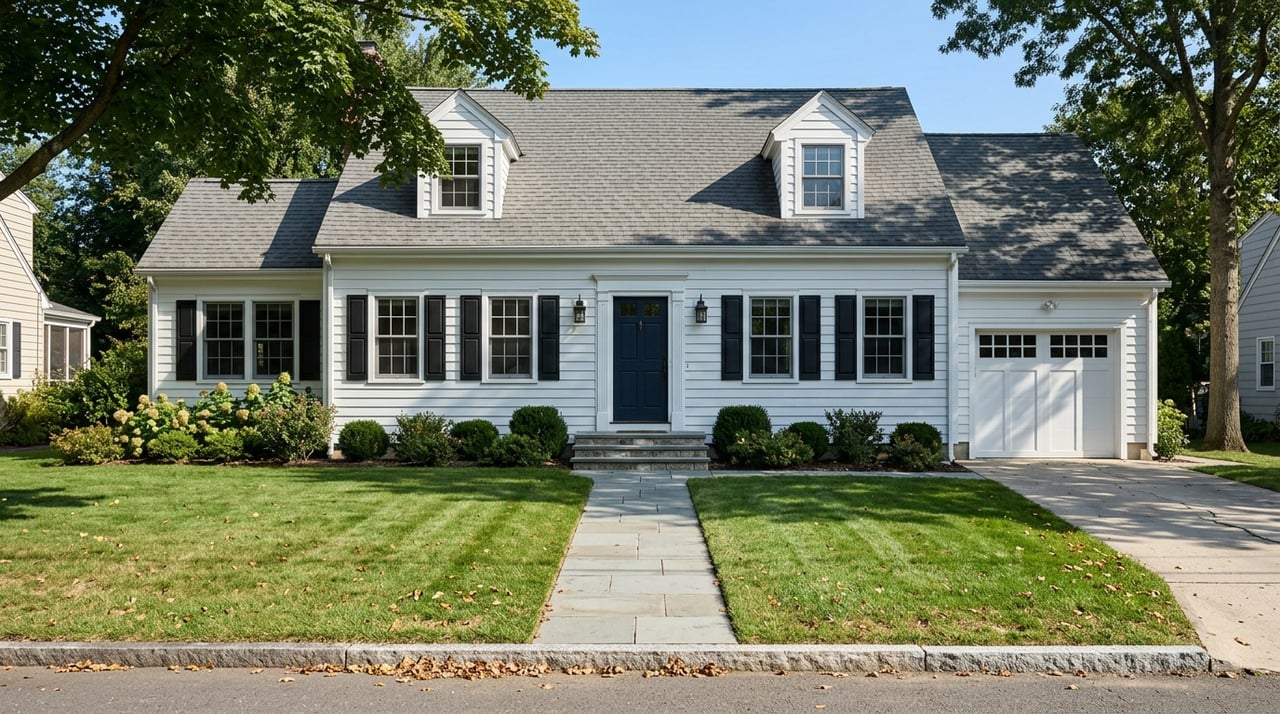
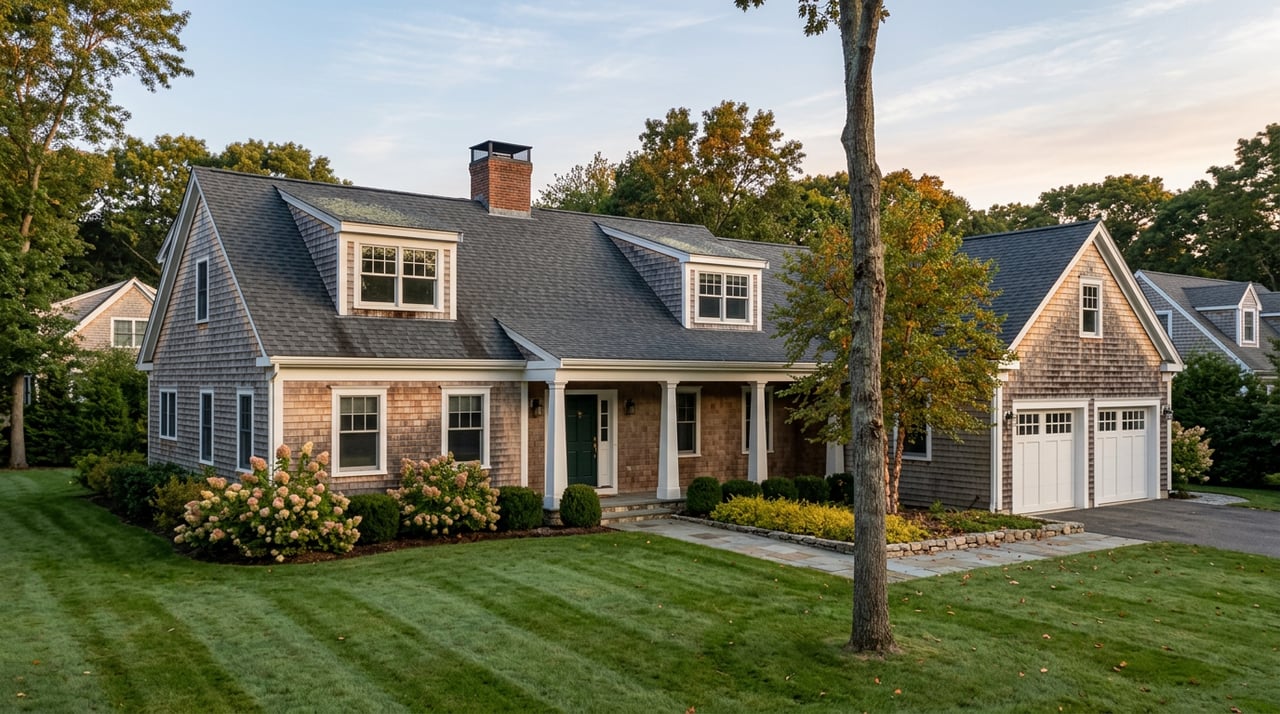
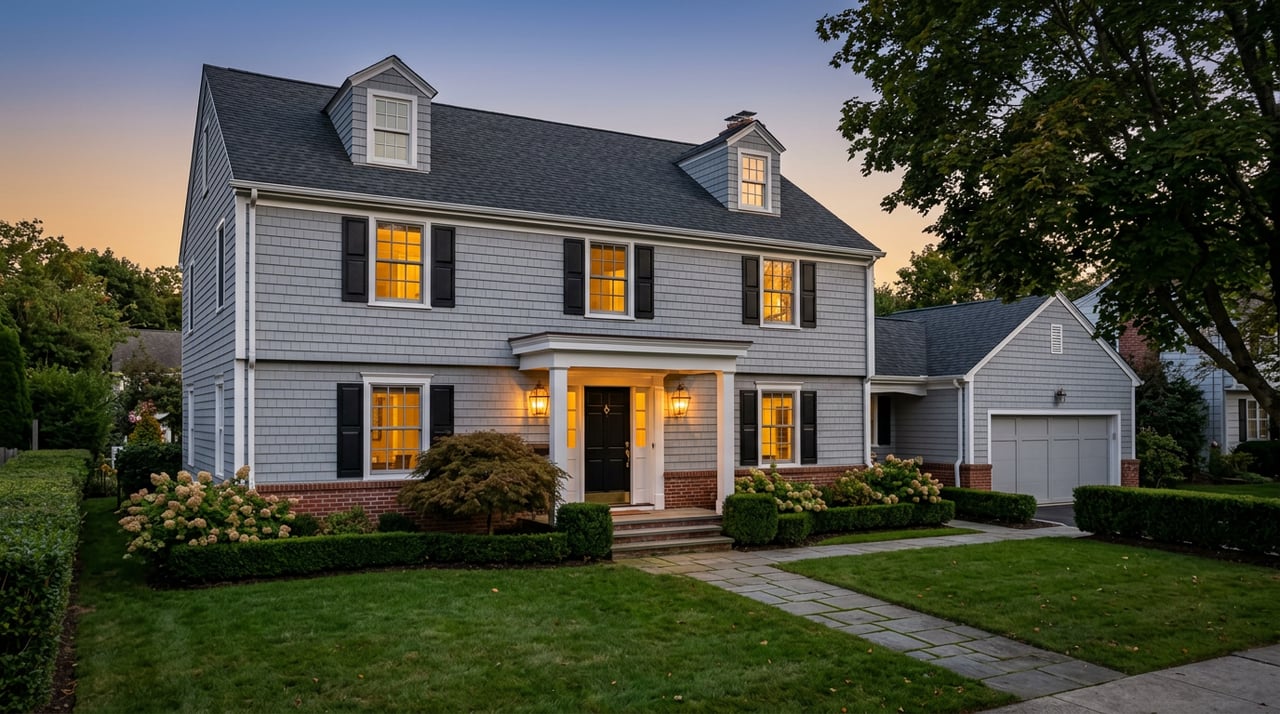
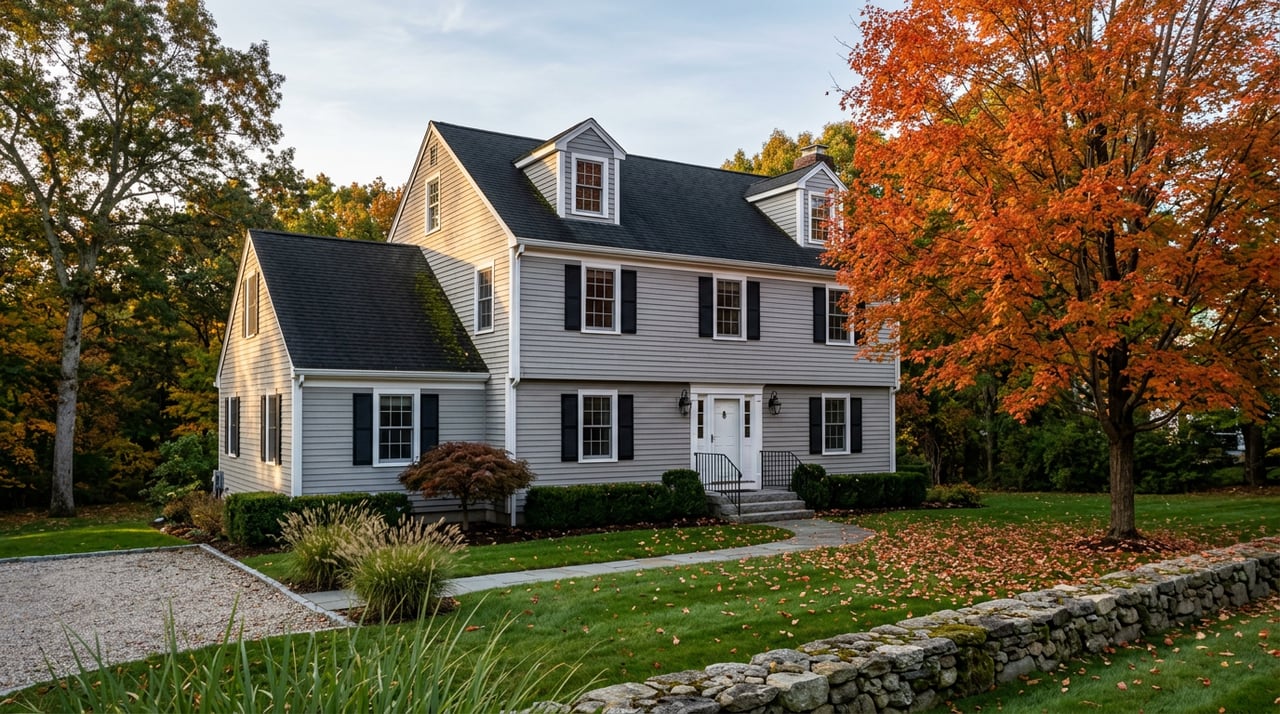
One of Winchester’s biggest strengths is its architectural variety. Town materials identify common building forms such as Cape, Garrison Colonial, bungalow, ranch, split-level or raised ranch, four-square, row house, and three-decker. Historical survey materials also note many 19th- and early 20th-century revival styles, including Greek Revival, Gothic Revival, Italianate, Second Empire, Queen Anne, Shingle, Colonial Revival, Craftsman, Tudor, Moderne, and International.
In plain terms, Winchester is not a one-style market. You can find everything from older character homes to more straightforward mid-century layouts, along with newer replacement homes in certain areas.
If you love older homes, Winchester offers a lot to explore. The town’s architectural history notes that Winchester’s relative affluence helped produce homes often executed in a high style, which helps explain the depth of period detail and design variety found throughout town.
That said, older homes can come with tradeoffs. Buyers often need to look carefully at condition, updates, maintenance history, and how much original character has been preserved versus modernized.
Winchester’s master plan notes that many newer homes have come from teardowns, where smaller older houses were replaced by larger single- or two-family homes. The town also says this trend has affected neighborhood scale in some areas.
For buyers, this creates a wider range of choices. You may find renovated older homes, fully rebuilt homes, or houses that offer newer layouts in established neighborhoods. The right fit often depends on whether you prioritize character, turnkey condition, or a balance of both.
While zoning still mainly supports single- and two-family homes, the town’s newer housing plan update says recent multifamily permitting and by-right accessory dwelling units are broadening the mix of options. That matters if you are not shopping for a large single-family home and want to keep more flexibility in your search.
Winchester also maintains a First Time Home Buyer Program and affordable housing resources, and the town points renters toward affordable housing listings and newer professionally managed rental communities such as Sanctuary West and Sanctuary North. So while the market is expensive, it is not relevant only to move-up buyers.
The short answer is: very. Several data sources point to Winchester as a high-price market, even by Greater Boston suburban standards.
The U.S. Census Bureau reports a 2020-2024 median owner-occupied home value of $1,215,200 and median gross rent of $2,279. More current market snapshots cited in the research show Zillow’s average home value at $1,496,625 and median list price at $1,872,167 as of January 31, 2026, while Redfin reported a February 2026 median sale price of $1,335,000 and average market time of about 21 days. The town’s housing plan also describes single-family homes at over $1.5 million and condos over $750,000.
For renters, pricing is also on the higher side. In addition to the Census estimate, current rental snapshots in the research place asking rents around $3,175 to $3,700 depending on source and methodology.
If you are considering Winchester, budget clarity matters early. This is a town where price point strongly shapes what type of property you can buy, what level of updates you can expect, and which areas may be realistic.
It is also a market where preparation can make a real difference. When homes move in about three weeks on average, getting pre-approved, narrowing your must-haves, and understanding tradeoffs up front can help you compete with less stress.
Winchester offers more than just housing stock. For many buyers, the lifestyle draw comes from having a traditional downtown, public green space, and local amenities packed into a relatively compact footprint.
Downtown Winchester functions as a real community hub. The town highlights local businesses, dining, a bookstore, studios and galleries, the farmers market, the Jenks Center, and cultural programming in the center.
There is also active public investment in the area. The Downtown Improvement Project focuses on Main Street between Quill Rotary and Mystic Valley Parkway and includes plans for wider sidewalks, narrower travel lanes, street trees, raised crosswalks, seating areas, gathering space, and improved lighting.
Even though Winchester is largely built out, open space remains part of the town’s identity. The town highlights the Aberjona River, Mystic Lakes, the Town Common, the 29-acre Town Forest, Davidson Park, and the Middlesex Fells Reservation as important local natural assets.
The Town Forest includes a 300-year-old stand of hemlocks, while Davidson Park offers 10 acres of public green space, 0.4 miles of trails, and a segment of the Tri-Community Greenway. For buyers who want suburban living with outdoor access close by, that balance is a meaningful part of Winchester’s appeal.
Winchester may feel more walkable than many suburbs because it is compact and has infrastructure connecting key destinations. The town’s Walk and Bicycle page notes sidewalks on busier streets, bike racks downtown and at schools, and the Tri-Community Greenway linking places such as Wedgemere, downtown Winchester, the Jenks Center, Winchester High School, and Davidson Park.
That does not mean every errand can be done on foot from every neighborhood. But compared with more spread-out suburban towns, Winchester offers a more connected layout.
For many buyers, commute convenience is a major reason to consider Winchester. Winchester Center station sits on the MBTA Lowell Line in downtown Winchester and is about 7.8 miles from North Station.
The town’s planning materials frame Winchester as a suburb with access to regional job centers through commuter rail and highways. If you work in Boston or elsewhere in Greater Boston, that setup can support a practical commute while still giving you a more residential setting at home.
Wedgemere also factors into this conversation because the Tri-Community Greenway begins at Wedgemere Commuter Rail Station. For some buyers, being near one of the stations can shape both home choice and daily routine.
Winchester has many strengths, but it is important to look at the market with clear eyes. Affordability is a central planning issue in town.
The town’s November 2024 Housing Production Plan update says 3.07% of Winchester’s housing stock is on the Subsidized Housing Inventory, totaling 248 units, and that 807 more units would be needed to reach the state’s 10% threshold. The same update says 25% of households are cost-burdened, including 39% of renters and 23% of homeowners. You can review those figures in the Housing Production Plan update executive summary.
For buyers and renters, the takeaway is simple. Winchester can offer a lot, but it rewards careful planning, realistic expectations, and a search strategy built around your actual budget and priorities.
Winchester may be worth a closer look if you want a mature suburban community with a historic downtown, varied housing stock, commuter rail access, and local open space. It can be especially appealing if you value established neighborhoods and want a town where many destinations feel connected rather than spread far apart.
At the same time, this is a high-cost market where neighborhood, condition, and home type can change the numbers quickly. If you are comparing Winchester with nearby towns, it helps to go beyond broad impressions and look carefully at what your budget buys in each location.
If you want practical guidance on buying or selling in Winchester or nearby Middlesex County communities, Kip LeBaron can help you evaluate options, understand market tradeoffs, and build a plan that fits your goals.
Stay up to date on the latest real estate trends.
Partner with a top-producing Massachusetts Real Estate Agent known for market expertise, strategic guidance, and proven results. With over 200 homes sold and $118M+ in closed sales, Kip LeBaron delivers a seamless, full-service experience for buyers and sellers across Greater Boston, Middlesex County, and southern New Hampshire.